
Injectable
PRP Therapy
Your own platelets, prepared in clinic — for skin quality and for the scalp.
Also known as Platelet-Rich Plasma · PRP for hair · PRP for skin.
Every treatment begins with a physician consultation. A consultation is not a commitment to treatment.
What it is
Platelet-rich plasma is prepared from a small sample of your own blood and re-introduced into the treated area. At Savoy it is used for skin quality and for scalp and hair concerns. Because it involves a blood draw, a practitioner reviews your medical history and assesses suitability in clinic first.
What it addresses
Platelet-rich plasma (PRP) is prepared from a small sample of your own blood, which is spun to concentrate the platelets, and then re-introduced into the skin or scalp. At Savoy it is used for skin quality and for scalp and hair concerns, after an assessment in clinic.
What you should see
PRP uses growth factors from your own platelets. For the skin, a course can help improve texture and overall quality; for the scalp, it may help thinning hair look fuller. Changes build gradually, and individual results vary.
The results wall
What changes with PRP Therapy.
Hover a pair — or tap it on a phone — and it comes to the centre, where the line crosses it: the condition, then the result.Tap a pair and it opens, with the line crossing it: the condition, then the result. Illustrations of typical conditions and outcomes, not photographs of Savoy patients. Results vary; every plan begins with a consultation.
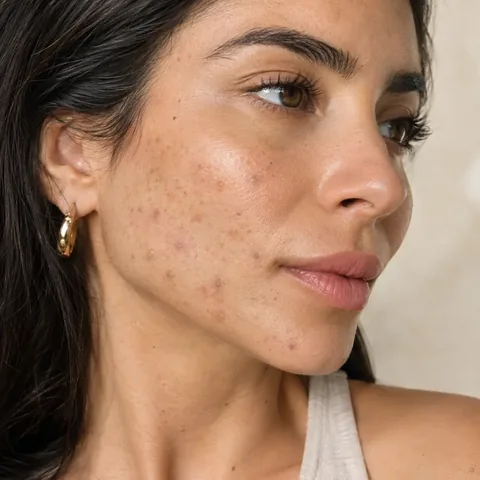 Post-Acne MarksIllustration
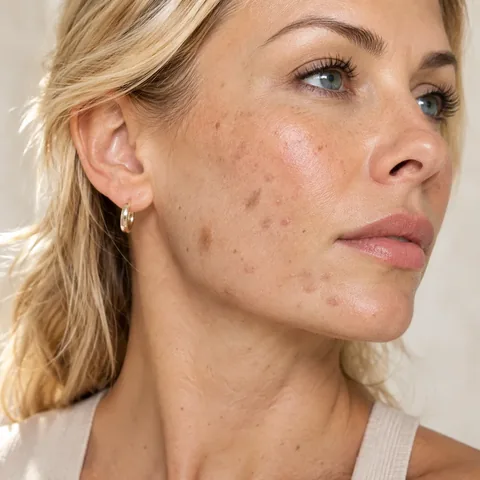 Post-Acne MarksIllustration
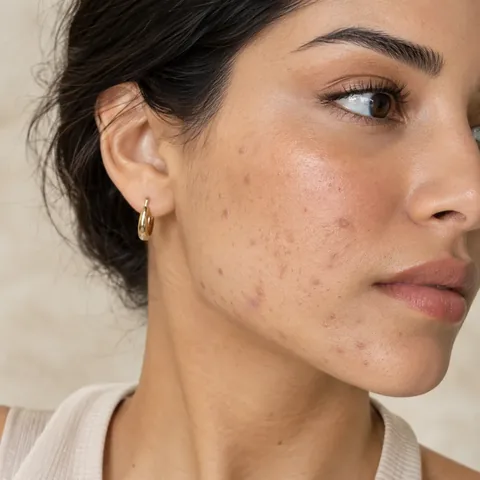 Post-Acne MarksIllustration
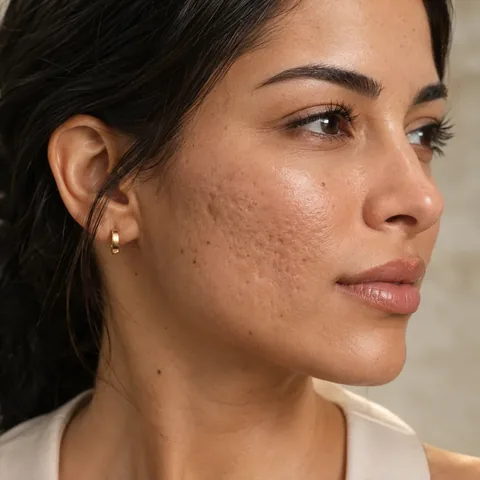 Acne ScarringIllustration
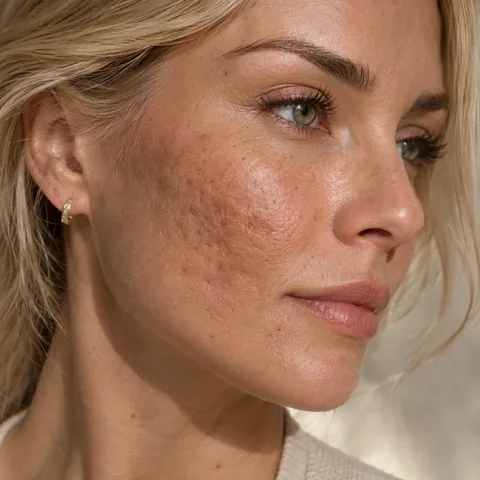 Acne ScarringIllustration
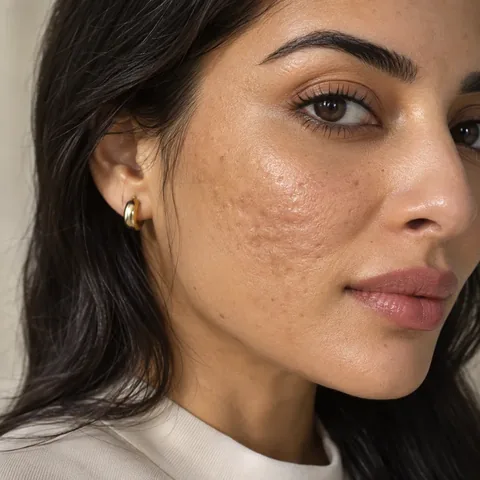 Acne ScarringIllustration
 Dull & Dehydrated SkinIllustration
 Dull & Dehydrated SkinIllustration
 Dull & Dehydrated SkinIllustration
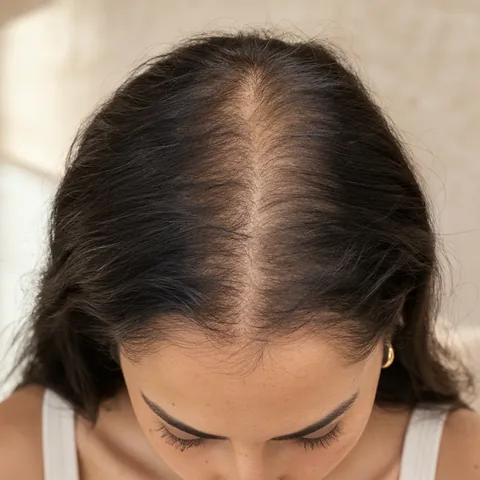 Hair Thinning & Receding HairlineIllustration
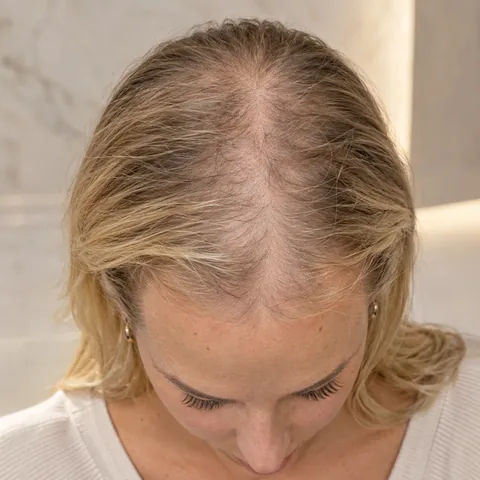 Hair Thinning & Receding HairlineIllustration
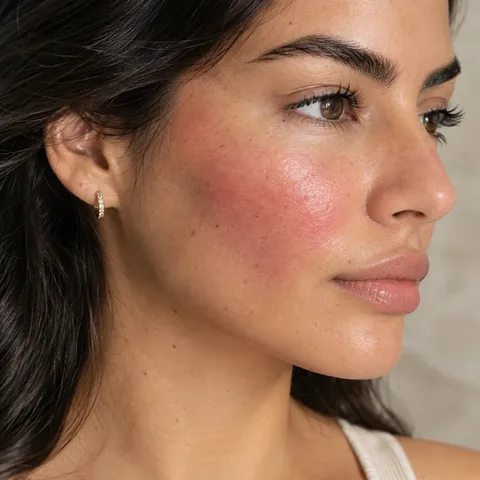 Post-Treatment Recovery & RegenerationIllustration
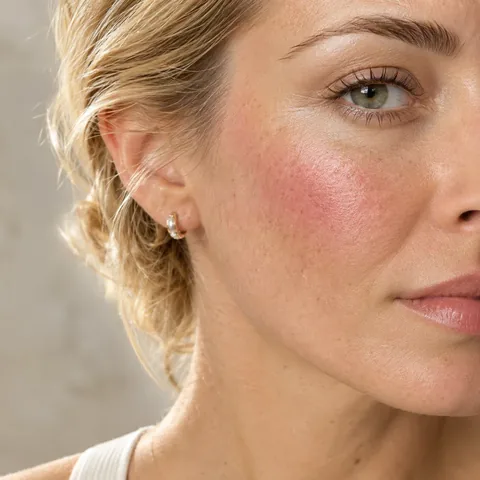 Post-Treatment Recovery & RegenerationIllustration
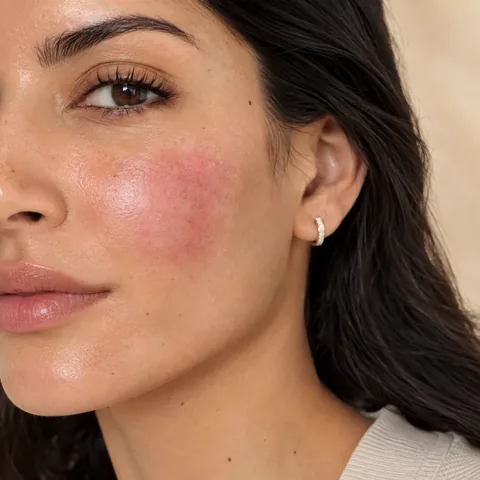 Post-Treatment Recovery & RegenerationIllustration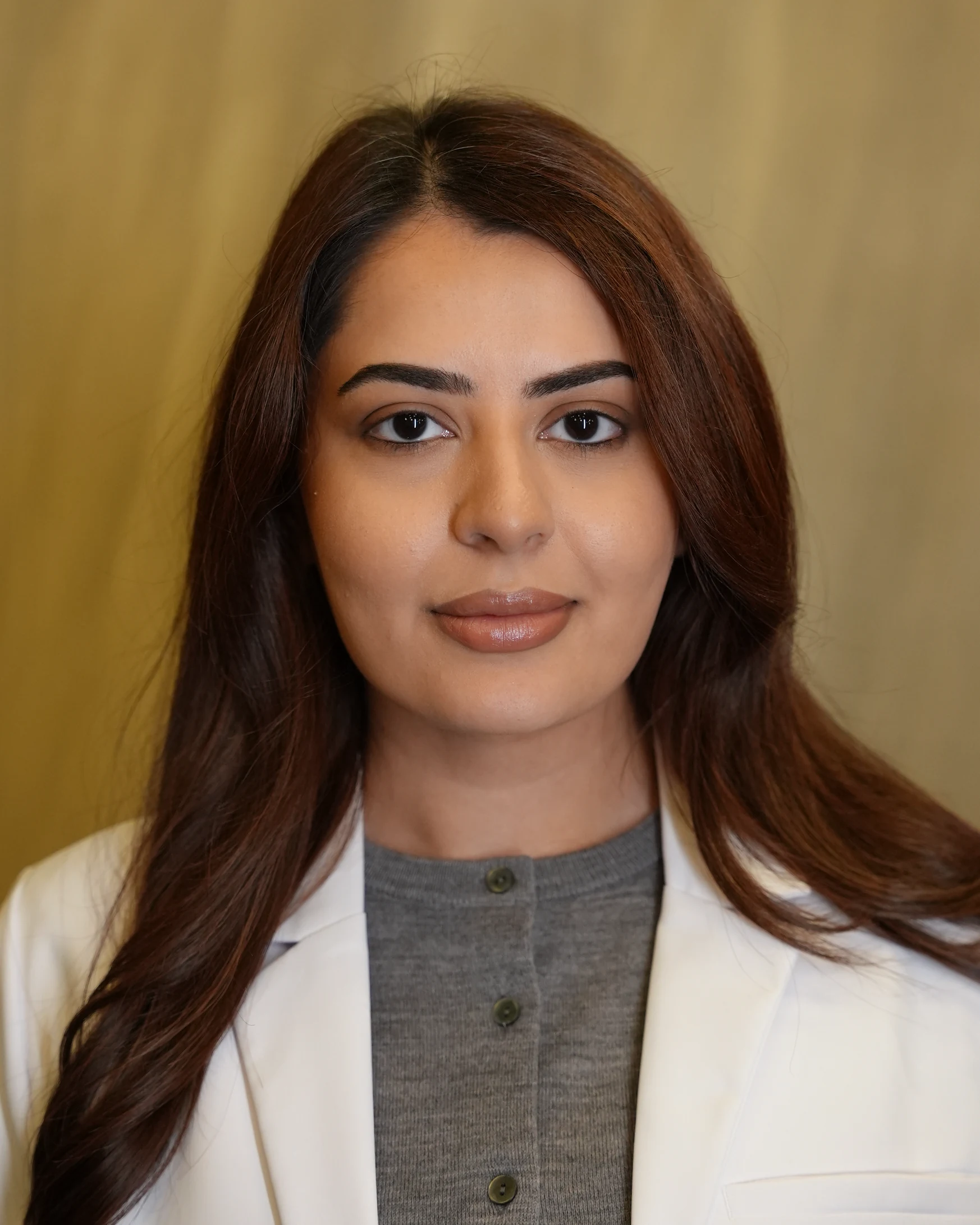
In the care of
Dr. Fatima Naveed
General Practitioner
Experienced in aesthetic medicine and non-surgical aesthetic treatments, such as Botox and fillers, with a natural finish.
Dr. Fatima Naveed is a General Practitioner experienced in aesthetic medicine and non-surgical aesthetic treatments, known for bringing medical precision and artistic finesse together. Her focus is on injectables, non-surgical rejuvenation and advanced skin therapies, and she designs an individual treatment plan for every patient. A Dubai medical graduate, she has trained extensively and completed the American Board Aesthetic Certifications, with advanced training in lasers, injectables and regenerative therapies.
The honest strip
- When you see it
- PRP is usually planned as a course of sessions at set intervals
Who it is not for
- Pregnancy and breastfeeding
- A low platelet count, a platelet disorder or another bleeding disorder
- Blood-thinning or anti-inflammatory medication: discuss it with your doctor first, and never stop a prescribed medicine on your own
- Active infection, cold sores or a flaring skin condition in the treatment area
- Fever, or feeling unwell on the day
- Active cancer or current cancer treatment
- Recent steroid tablets or injections
- Significant anaemia
- Suitability is assessed in clinic: because PRP involves a blood draw, a practitioner reviews your medical history first
Areas
- Skin — quality and texture
- Scalp and hair
Timeline
PRP is usually planned as a course of sessions at set intervals; the number of sessions and their spacing are decided at your consultation.
Next step
Suitability is decided in the room, with a physician.
Device suitability is confirmed at consultation — never before. Results vary between individuals and no particular outcome is promised.
Arrange a consultationConnected
Concerns
- Post-Acne Marks“The spots have gone, but the marks they left haven't.”
- Acne Scarring“My acne cleared years ago, but the scars stayed.”
- Dull & Dehydrated Skin“My skin looks flat and tired, whatever I put on it.”
- Hair Thinning & Receding Hairline“My hair is getting thinner, and my hairline is moving back.”
- Post-Treatment Recovery & Regeneration“My skin is dull, sensitised and red after treatment — I want it to settle faster.”