
Physiotherapy
Physiotherapy
Assessment first. Then a plan that returns you to movement.
Prices are in AED and exclude 5% VAT. Every treatment begins with a physician consultation. A consultation is not a commitment to treatment.
What it is
One-to-one physiotherapy with Ali Baaity: manual therapy, therapeutic ultrasound and electrotherapy, and progressive rehabilitation for musculoskeletal pain, sports injury and post-operative recovery.
What it addresses
Physiotherapy addresses musculoskeletal pain, sports injuries, joint stiffness, muscle weakness, back and neck pain, postural imbalances, recovery after surgery, and reduced mobility from acute or long-standing conditions.
What you should see
Physiotherapy aims to ease pain, restore normal movement and rebuild strength, flexibility and balance, supporting recovery after injury or surgery. With a consistent course and home exercises, the goal is better posture and function, a lower risk of re-injury and an easier return to daily activities. Progress varies from person to person.
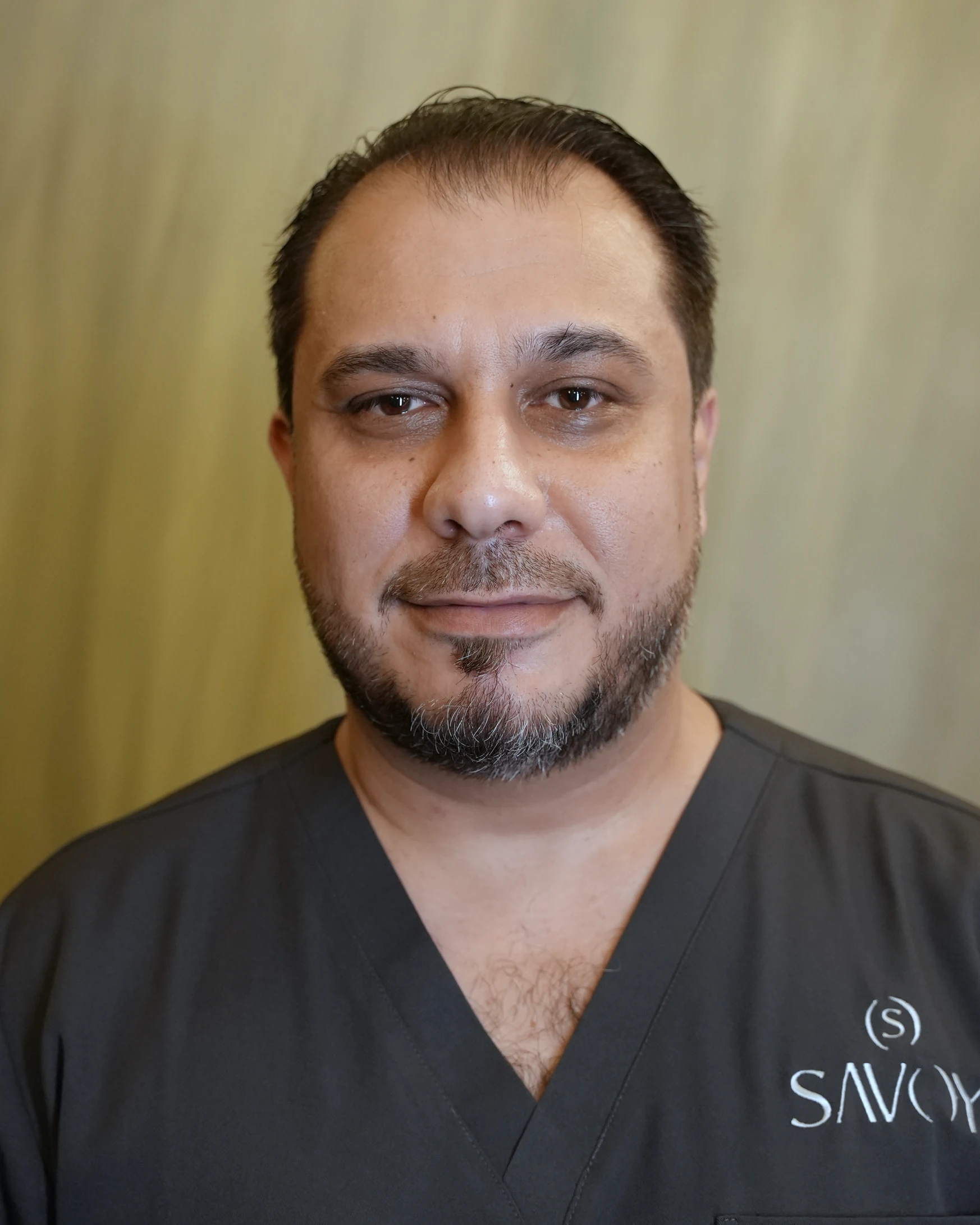
In the care of
Ali Baaity
Physiotherapist · Musculoskeletal & Sports Rehabilitation
Musculoskeletal, sports and post-operative rehabilitation.
Ali Baaity is a DHA-licensed physiotherapist with more than 15 years of experience in musculoskeletal rehabilitation, neurological physiotherapy, sports injury management and post-operative care. He designs personalised, evidence-based treatment plans intended to optimise recovery and prevent re-injury. Having worked with both professional athletes and general patients, he is dedicated to restoring function and improving quality of life for everyone in his care.
The honest strip
- Sessions
- 6 · one package price
- Downtime
- Usually none.
- How it feels
- Generally comfortable.
- When you see it
- Acute muscle spasm often eases within one to three sessions.
What it does not do
- It is not a cosmetic treatment: it does not address wrinkles, pigmentation, fat, a double chin or skin texture
- It does not replace orthopaedic surgery when structural repair is needed
- It is not a stand-alone cure for a disc herniation, which may need wider medical care
- It is not a weight-loss method
Who it is not for
- A recent fracture or joint instability that has not been medically assessed
- A known or suspected blood clot (deep vein thrombosis) or thrombophlebitis
- Active infection in the area, including bone infection
- Known or suspected cancer in the area to be treated
- A pacemaker or other implanted electronic device (certain electrotherapy is avoided)
- A severe or uncontrolled bleeding disorder
- Pregnancy: ultrasound and electrotherapy are not applied over the abdomen, pelvis or lower back
- Reduced sensation in the area, which prevents safe feedback during treatment
- Open wounds where ultrasound would be applied
Areas
- Neck and cervical spine (postural tension, headaches that start in the neck)
- Upper shoulders and the muscles between the neck and shoulder blade (desk-related tightness)
- Mid-back and thoracic spine (stiffness, rounded posture)
- Lower back and core stabilising muscles (lower-back pain)
- Shoulder joint and shoulder blade (impingement, limited range of movement)
- Hips and gluteal muscles (tight hip flexors, sitting-related pain)
- Knee (pain around the kneecap, rehabilitation after a strain)
- Ankle and foot, when linked to the problem
- Soft-tissue injuries suitable for therapeutic ultrasound or electrotherapy
Downtime, in full
Usually none. Some people feel mild muscle soreness the next day, similar to after light exercise.
Comfort and anaesthesia
Generally comfortable. Therapeutic ultrasound may feel gently warm or not be felt at all; electrotherapy produces a tingling sensation or small muscle twitches; hands-on techniques can cause brief discomfort, always kept within your tolerance.
Timeline
Acute muscle spasm often eases within one to three sessions. Longer-standing postural pain usually needs a course, typically four to eight sessions over two to six weeks, together with a home exercise programme. Further sessions can be booked for maintenance or flare-ups.
After the treatment
- Do your prescribed home mobility and activation exercises
- Stay well hydrated
- Use ice or heat only as advised
- For 24–48 hours, avoid postures that aggravate the problem, such as looking down at your phone for long periods or sitting on a wallet
- Return to sport gradually, as guided by your physiotherapist
- Report any new or increasing numbness, tingling or weakness straight away
How people describe it
- Constant neck and shoulder tension from laptop and phone use
- Lower-back ache after long days at a desk or long flights
- Muscle spasm and stiffness after an injury
- Tension headaches that start at the base of the skull
- A stiff upper back and rounded shoulders
- Pelvic and lower-back strain after pregnancy, once cleared by your doctor
- Sports strains that need structured rehabilitation
- General deconditioning and poor movement habits
Combines with
Often planned together.
Medical programme
Anti-Stress & Sleep Restoration
A physician-led programme for people who no longer switch off.
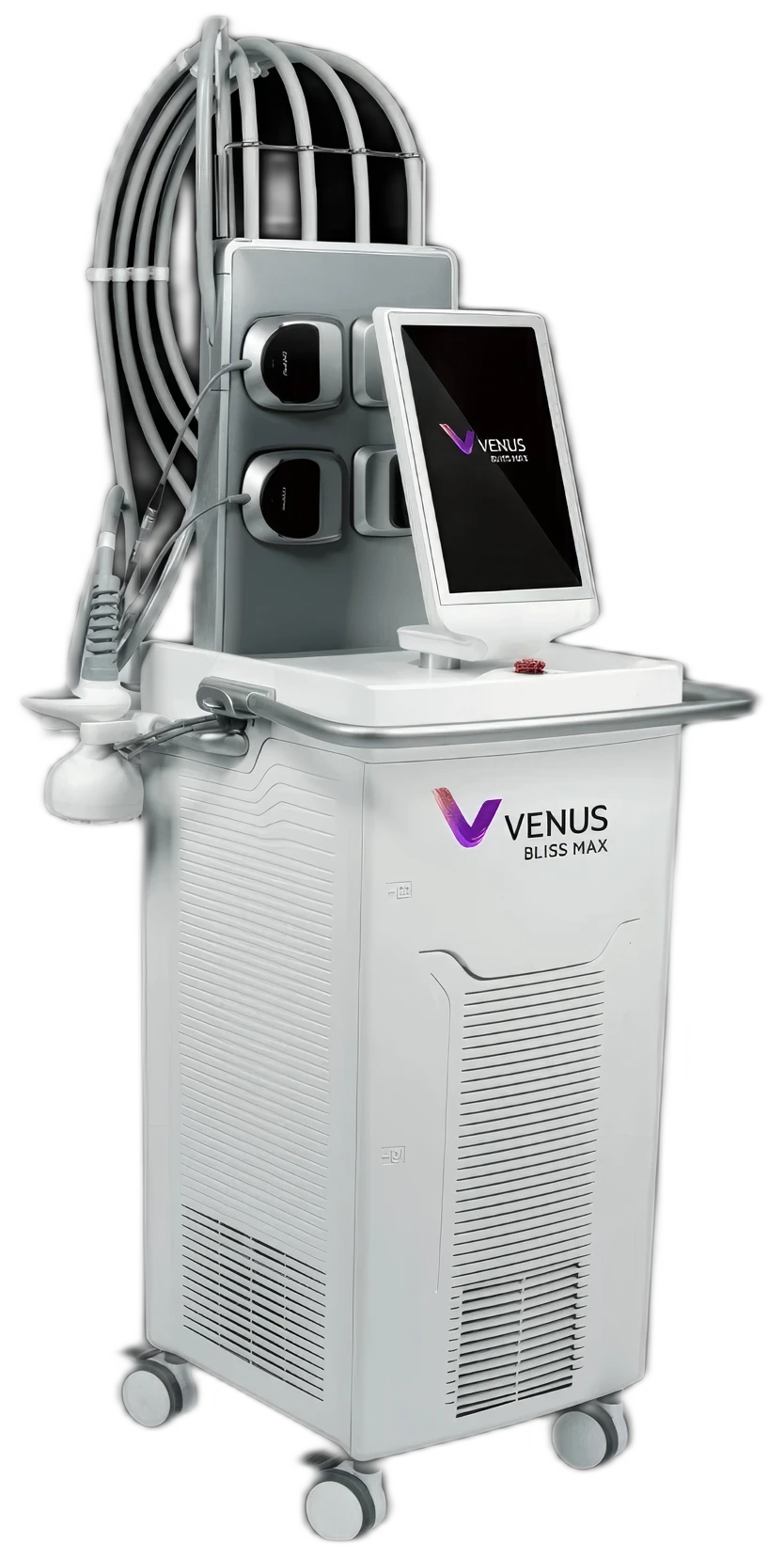
Device treatment
Venus Bliss MAX
Non-surgical body contouring with laser, radiofrequency and muscle stimulation.
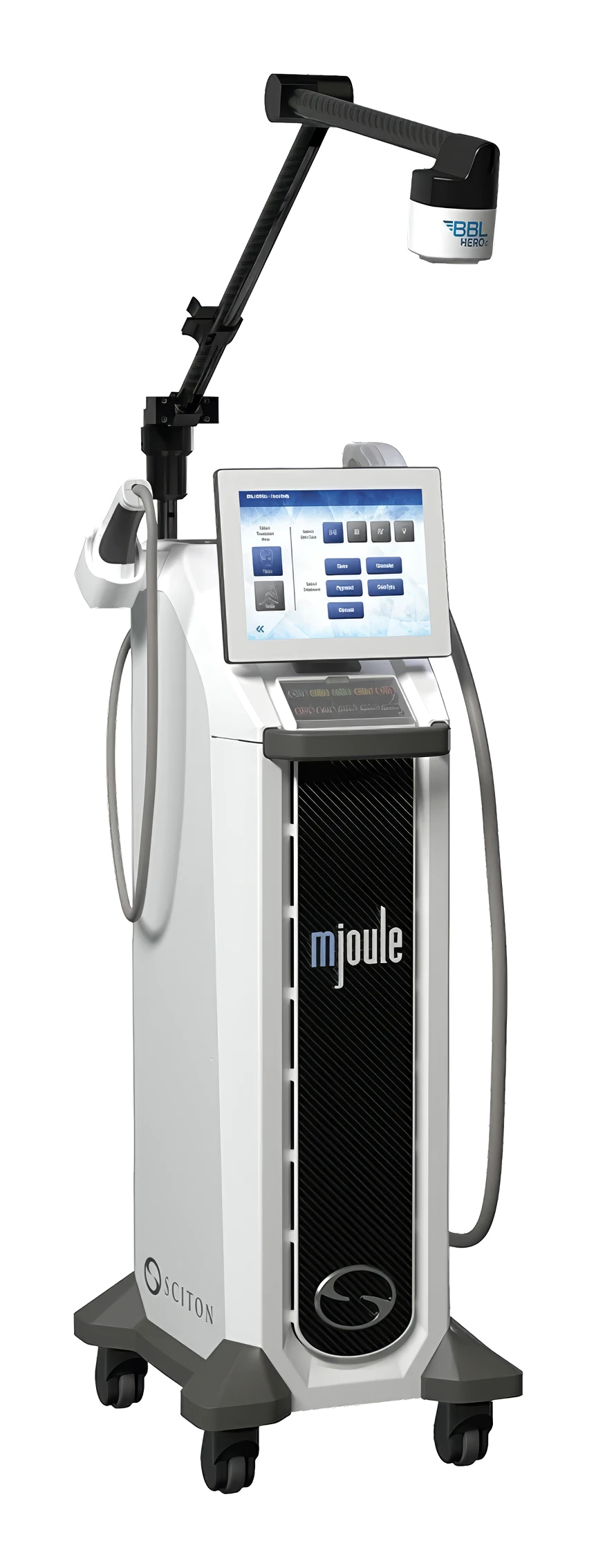
Device treatment
BBL & MOXI
Two technologies, one platform: tone and texture together.
Next step
Suitability is decided in the room, with a physician.
Device suitability is confirmed at consultation — never before. Results vary between individuals and no particular outcome is promised.
Arrange a consultation